


Tire Repair 101 at Lexus of Concord
Tire Puncture Repair: The Do’s and Don’ts Every Driver Should Know
If you’ve ever walked out to your car and heard that dreaded hissss — you know the feeling. A flat tire can derail your whole day. The good news? Not every puncture means you need a brand-new tire. The key is knowing what can be safely repaired — and what absolutely should not.
At Lexus of Concord, we see this every week. So let’s break down the tire puncture repair do’s and don’ts in plain English.
✅ Tire Puncture Repair DO’s
1. DO Repair Small Punctures in the Tread Area
If the puncture is:
-
In the center tread area
-
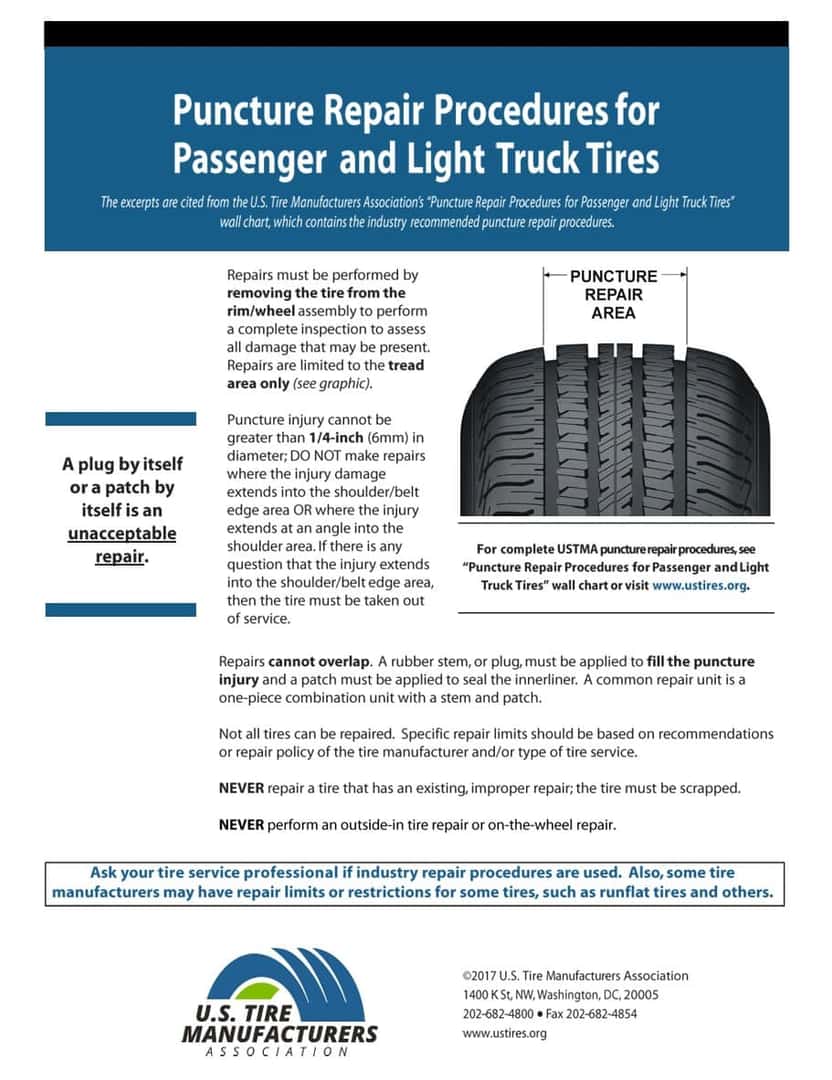
¼ inch (6mm) or smaller in diameter
-
Caused by a nail or screw
It can typically be repaired safely.
The tread is designed to handle repairs when done properly using industry-approved methods.
2. DO Use a Patch + Plug Combination
According to U.S. Tire Manufacturers Association guidelines, a proper repair involves:
-
Removing the tire from the wheel
-
Inspecting the interior
-
Installing a combination patch-plug from inside the tire
This restores the air seal and reinforces the injury area.
Quick outside-only plugs? That’s a temporary fix at best.
3. DO Have a Professional Inspect the Tire
Sometimes what looks like a simple nail hole can hide:
-
Sidewall flex damage
-
Internal belt separation
-
Heat damage from driving while underinflated
A certified technician can check for internal structural damage before deciding if it’s safe to repair.
4. DO Repair Promptly
Driving on a low tire can:
-
Overheat internal components
-
Cause sidewall breakdown
-
Turn a repairable tire into a replacement
If your TPMS light comes on, don’t ignore it.
❌ Tire Puncture Repair DON’Ts
1. DON’T Repair Sidewall or Shoulder Damage
If the puncture is in:
-
The sidewall
-
The shoulder (edge of the tread)
It cannot be safely repaired.
Why? The sidewall flexes constantly while driving. A repair in this area can fail and lead to a blowout.
2. DON’T Repair Large Holes or Gashes
If the damage is:
-
Larger than ¼ inch
-
Caused by a sharp object that ripped the tire
-
The result of hitting a pothole
Replacement is the safest option.
3. DON’T Stack Repairs Too Close Together
If multiple punctures are:
-
Too close to each other
-
In the same section of tread
The structural integrity may be compromised.
4. DON’T Use Tire Sealant as a Permanent Fix
Emergency sealants are meant to get you home — not to be a long-term solution.
They can:
-
Throw off wheel balance
-
Damage TPMS sensors
-
Make proper repairs more difficult
5. DON’T Ignore Internal Damage
If you drove on a flat tire for even a short distance, internal damage may have occurred. Even if the tire holds air after inflating, it may no longer be safe.
When Should You Replace Instead of Repair?
You should replace the tire if:
-
The puncture is in the sidewall
-
The hole is larger than ¼ inch
-
There are multiple close punctures
-
The tire was driven on while flat
Why Proper Tire Repair Matters
Your tires are the only part of your vehicle that touches the road. A poorly repaired tire can:
-
Reduce handling performance
-
Increase stopping distance
-
Lead to dangerous blowouts
It’s not just about saving money — it’s about safety.
Lexus Tire Repair, Tire Replacement & Alignment Service in the Bay Area
At Lexus of Concord, we provide professional tire repair, tire replacement, and precision alignment services designed specifically for your Lexus vehicle. Our factory-trained technicians use Lexus-approved equipment and procedures to ensure your vehicle maintains optimal performance, safety, and ride comfort.
Whether you’re dealing with a punctured tire, uneven tread wear, or steering that feels slightly off, our service team is here to help drivers throughout the San Francisco Bay Area.
Whether you drive a Lexus or another brand, proper tire repair protects your vehicle, your passengers, and everyone else on the road.
We regularly assist Lexus and non Lexus owners in:
San Francisco
San Jose
Berkeley
Walnut Creek
Redwood City
Fremont
Martinez
Pleasanton
Vallejo
Fairfield
Concord
Piedmont
San Ramon
Dublin
Livermore
Tire Repair FAQ
Can a nail in my tire be repaired?
Yes, if the puncture is located in the tread area and is ¼ inch (6mm) or smaller. For safety, a professional combination patch-plug repair installed from the inside of the tire is required.
Is it safe to drive with a nail in my tire?
Not for long. Even if the tire is not losing air immediately, the puncture can worsen over time and cause internal tire damage. It’s best to have it inspected as soon as possible.
Can a sidewall puncture be repaired?
No. Sidewall damage cannot be safely repaired. If the puncture is in the sidewall or shoulder area, the tire must be replaced.
How long will a tire repair last?
When properly repaired using industry-approved methods, a tire repair can last for the remaining life of the tire.
How much does a tire repair cost?
Costs vary by location, but repairing a tire is typically much less expensive than replacing it. Contact your local service center for specific pricing.
Are tire plugs safe?
An outside-only plug is considered a temporary fix. A combination patch-plug installed from the inside of the tire is the proper permanent repair method recommended by industry standards.
Where can I find the official puncture repair procedures for passenger and light truck tires?
You can download the official Puncture Repair Procedures for Passenger and Light Truck Tires here. Courtesy of the U.S. Tire Manufacturers Association (USTMA).
0 comment(s) so far on Tire Repair 101 at Lexus of Concord